

TRACK LIST
1. Hands of the Healer ©2018 Dave Wiesler (4:26) with Paul Oorts – harp guitar
Dance musician and composer Dave Wiesler wrote this tune for me when I started working in 2013 as a therapeutic musician. Dave has composed hundreds of tunes for English Country and Contra Dancing, as well as sacred music and songs. We were in the contra dance band Cabaret Sauvignon for several years. The title track and name of my first solo dulcimer recording “Starry, Starry,” was also Dave’s composition. You can find many of his recordings on Bandcamp.
2. South American Sueños Brazilian/ Venezuelan (4:39)
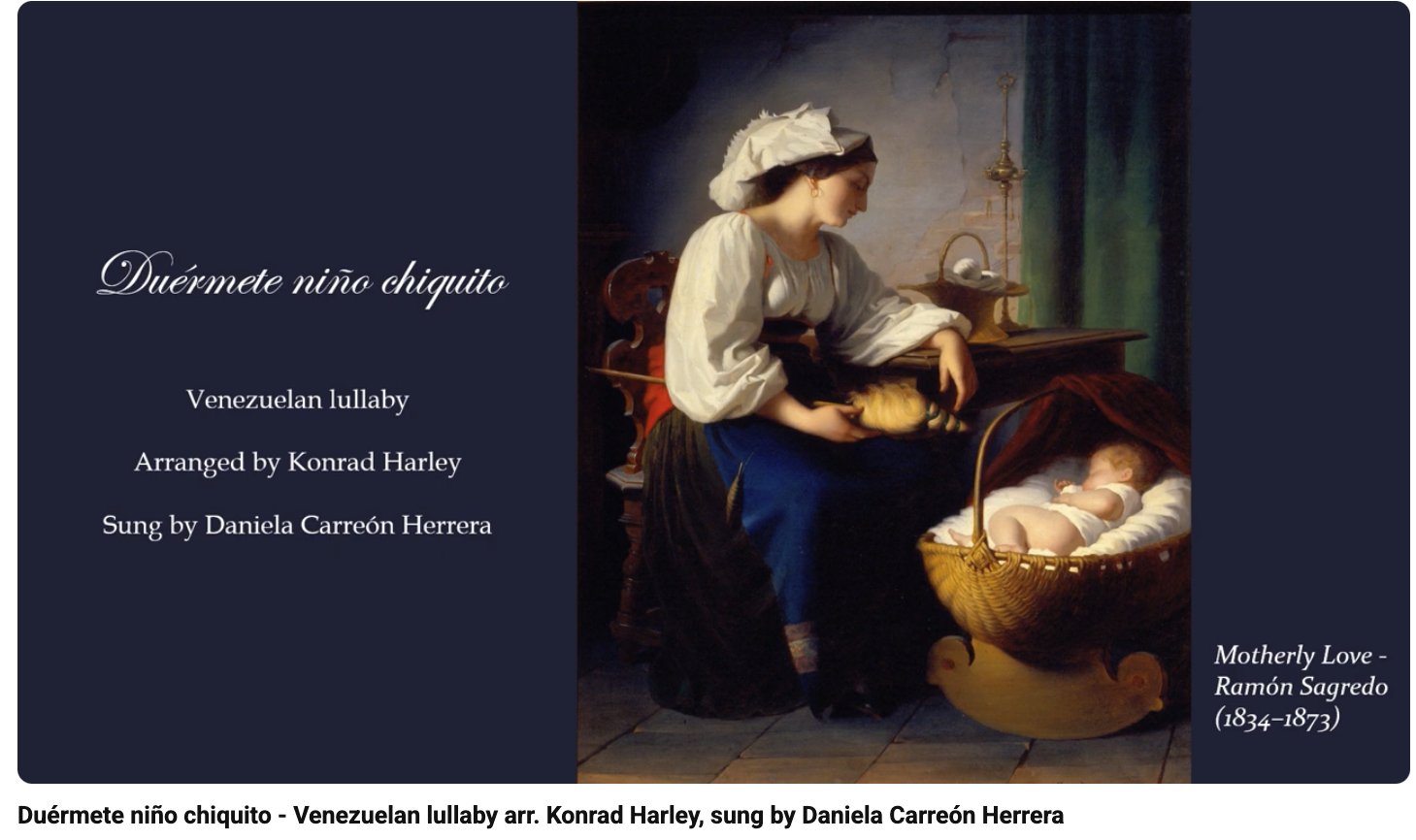
The first tune is a traditional Brazilian lullaby followed by Duérmete Niño Chiquito from Venezuela.
Click the photo for a version sung by Daniela Carreón Herrera.
3. Tizita / Remembering Irv Ethiopian/ ©2005 Dave Wiesler (4:14)

Music is an integral part of Ethiopian culture. We are blessed to have the radiant and knowledgeable Ethiopian singer, Munit Mesfin living in the Washington, DC area. You can find her on YouTube. I first heard her playing with the group Project Locrea. Munit gave me an excellent lesson on Ethiopian music and the “Tizita” mode. In Western music, it is basically a Major Pentatonic Scale. In Ethiopian music, it is also associated with songs of nostalgia. I’ve approximated Munit’s example of it.
Remembering Irv is an unusual Dave Wiesler tune in that the B Part uses the Lydian Mode. Edgy and uplifting, Lydian is often used to denote a sense of wonder.
4. The Scottish Set: By Yon Castle Wall / She’s Sweetest Scottish (4:24) with Paul Oorts – 10-string classical guitar
The Scottish bard Robert Burns penned the lyrics for As I Cam By Yon Castle Wa’ to an old air. A man spies a beautiful woman through the hedges and asks her to marry him. Not surprisingly, she declines and he accuses her of a lack of modesty!
She’s Sweetest When She’s Naked is a 17th-century Scottish air and country dance, referring to the proper way to drink whiskey–unadulterated! Revelations is the name of the English Country Dance that accompanies the tune.
5. Source et Fleurs W.A. Mozart, Reharmonized Gilles Raymond (3:22)
This was originally the light-hearted, unremarkable Frühlinglied (“Spring Song,” K.Anh. 262: K.Anh.C 8.23) by Wolfgang Amadeus Mozart. French musician Gilles Raymond reimagined and reharmonized it, then renamed it Source et Fleurs. Source refers to a (water) spring.
6. Betsy’s Garden ©2013 Dave Wiesler (6:20) with Sophie Chang – cello
For many years Dave Wiesler has been commissioned to compose a waltz annually for the anniversary of Betsy and Jamie Platt. This tune is from that collection. You can hear a selection of them from Dave’s recording with the Gigmeisters, 33 More.
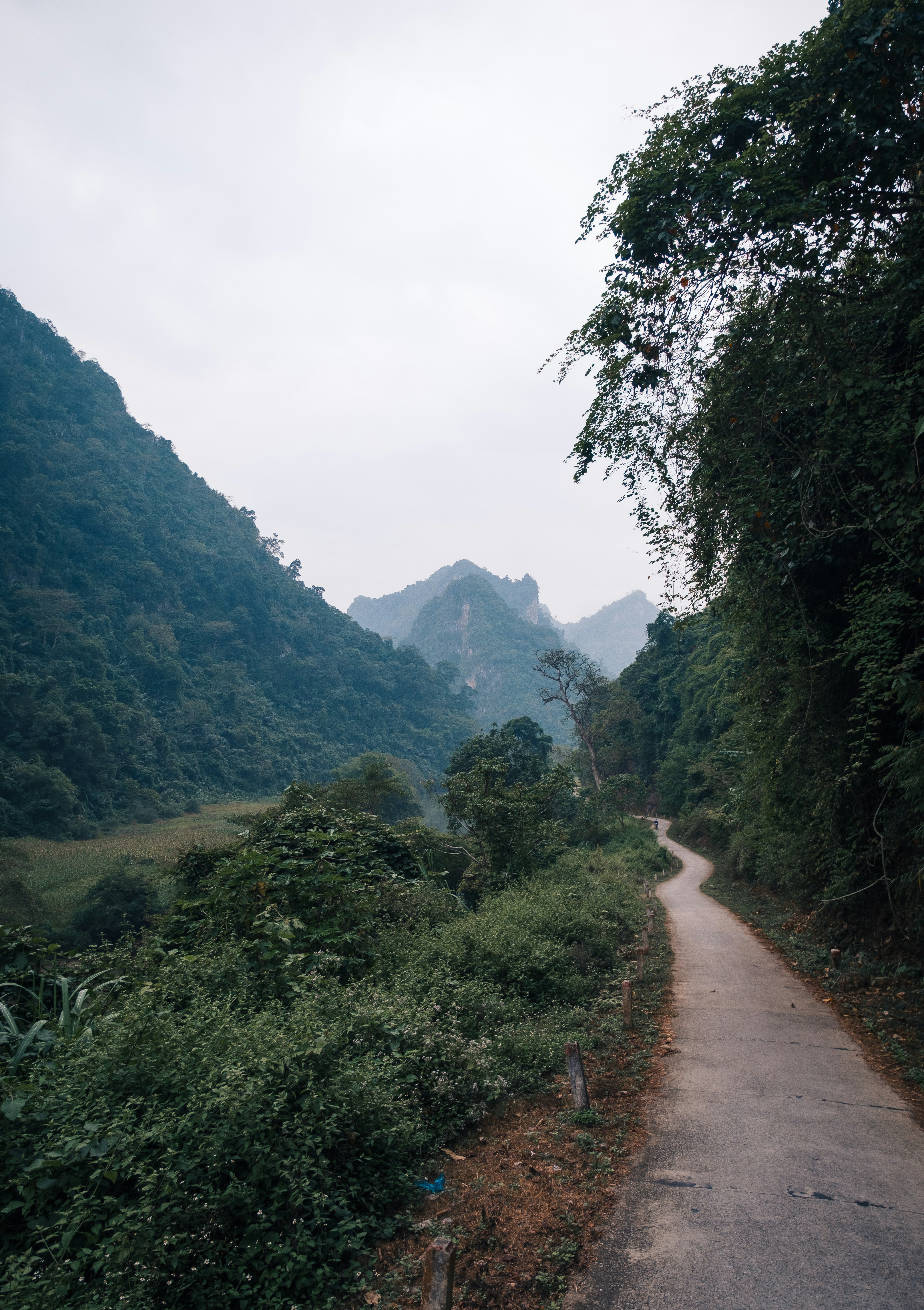
7. Floating Water Ferns & Wandering Clouds Vietnamese (3:18)
This is an achingly beautiful Vietnamese song Bèo dạt mây trôi, of loved ones far apart.
Here is a gorgeous sung version with an English translation: https://www.youtube.com/watch?v=WZtD6MuLtHk
Photo by Howard Walsh on Unsplash
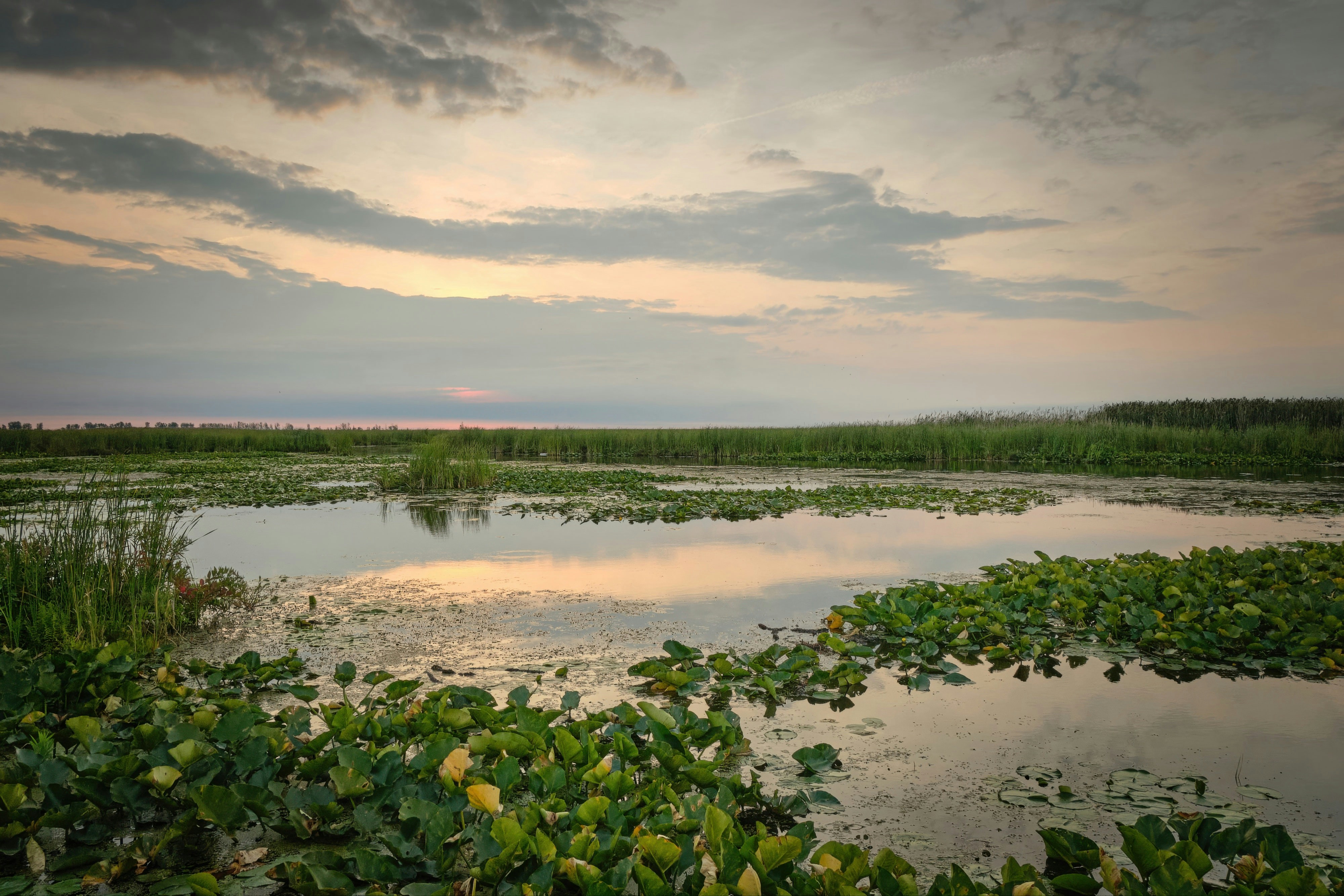
The water ferns drift, the clouds float in a distant place
Darling, I'm still waiting as the ferns drift on
And the clouds float. The birds land, and the fish swim.
Pondering one message of hope, two messages of longing
A piece of moon hanging through five marks of the night.
Darling, the moon has tilted above
Longing for someone, the stars have fallen, the night nears its end, the moon fades.
The bamboo branches sways at the front path.
Day upon day, gazing at the distance, Oh dear, I'm still waiting, all worn out.
Gazing as the stars fall, the fish swim, You who left for the distant skies, do you recall?
Recalling the one who gazes at the horizon birds,
Yet you're nowhere to be seen
You who left for the distant skies, do you recall?
Recalling the one who gazes at the horizon birds
Yet you're nowhere to be seen.
Photo by Micah Camper on Unsplash
8. Scandinavian Starlight Finnish/ Icelandic/ Norwegian (7:54)
There is a sense of mystery and wonder as emerging stars twinkle in the darkening skies in the north from Finland to Iceland to Norway. “The Sky is Blue & White” Taivas on Sinenen ja Valkoinen/ “Sleep My Young Darling” Sofdu Unga ástin Min by Jóhann Sigurjónsson (1880-1990)/ and “Gjendines Lullaby.”
Singer Arthur Spencer shared “The Sky is Blue & White” with me.
The second tune is the Icelandic lullaby Sofdu unga ástin mín (“Sleep My Young Darling”) is played first in a 4/4 meter, then a 3/4 meter. It was composed by Jóhann Sigurjónsson (1880-1919) for his play about the most famous Icelandic outlaws, Fjalla-Eyvindur and his wife, Halla, who lived in Iceland’s highlands in the late 18th century. I learned it from fellow dulcimer player, Jennifer Evans Kinsley.
Sleep My Young Darling. Outside the rain is weeping.
Mummy will keep your treasures–an old bone and a round case.
Listen to a version with the lyrics in Icelandic and English.

The final melody comes from Norway–Gjendines Lullaby. It was collected from the singing of Kaia Gjendine Slålien (1871–1972,) a Norwegian dairy maid and folk singer who inspired Edvard Grieg and his friends with her songs. Grieg first visited her in 1891 at Skogadalsbøen, her mountain homestead in Vestland, and returned on several occasions. Grieg's lullaby Gjendines bådnlå was included in his Opus 66 19 Norwegian Folk Songs. I have added two whistles and flute to the dulcimer on this last tune. The flutes coming in feel to me like the Northern Lights mysteriously flooding the sky in the wee hours of the night.
Photo by Johny Goerend on Unsplash
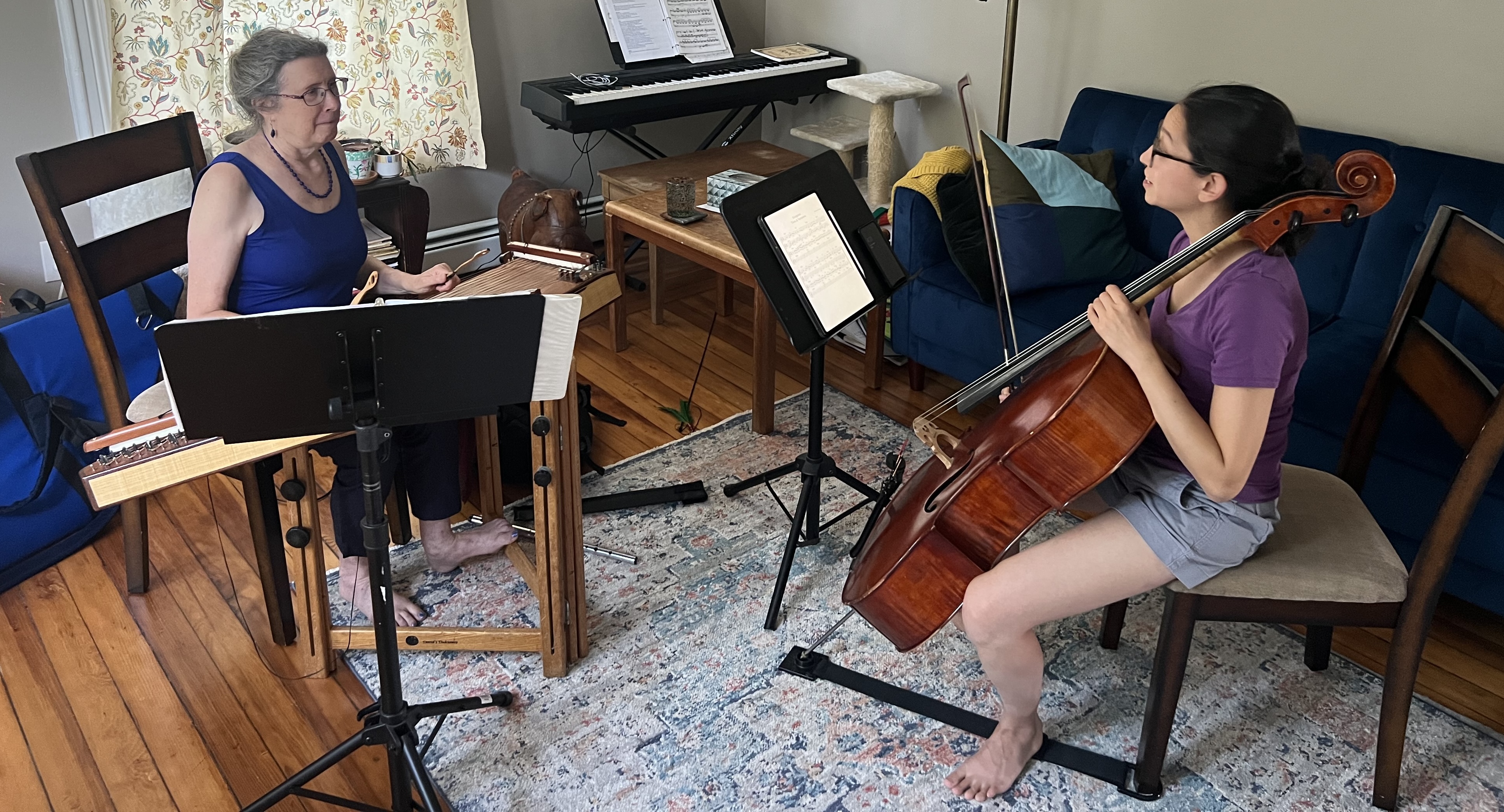
9. Linda’s Light ©2022 Dave Wiesler (4:39) with Sophie Chang – cello
Another beautiful Dave Wiesler tune.
10. The Joyful Lark Irish/ French (4:20)
The Lark In The Clear Air is a famous song with lyrics by Sir Samuel Ferguson, published in 1845 and set to a traditional Irish air. It is followed by my Joyful Twinkle hospital version of Twinkle, Twinkle, Little Star.
11. The Dream Passes By the Windows / Manx Lullaby Ukrainian/ Manx (5:24) with Paul Oorts – cittern
The first tune, Oy Khodyt Son Kolo Vikon, is a poignant lullaby from Ukraine.
Arrane y Chlean is from the Isle of Man.
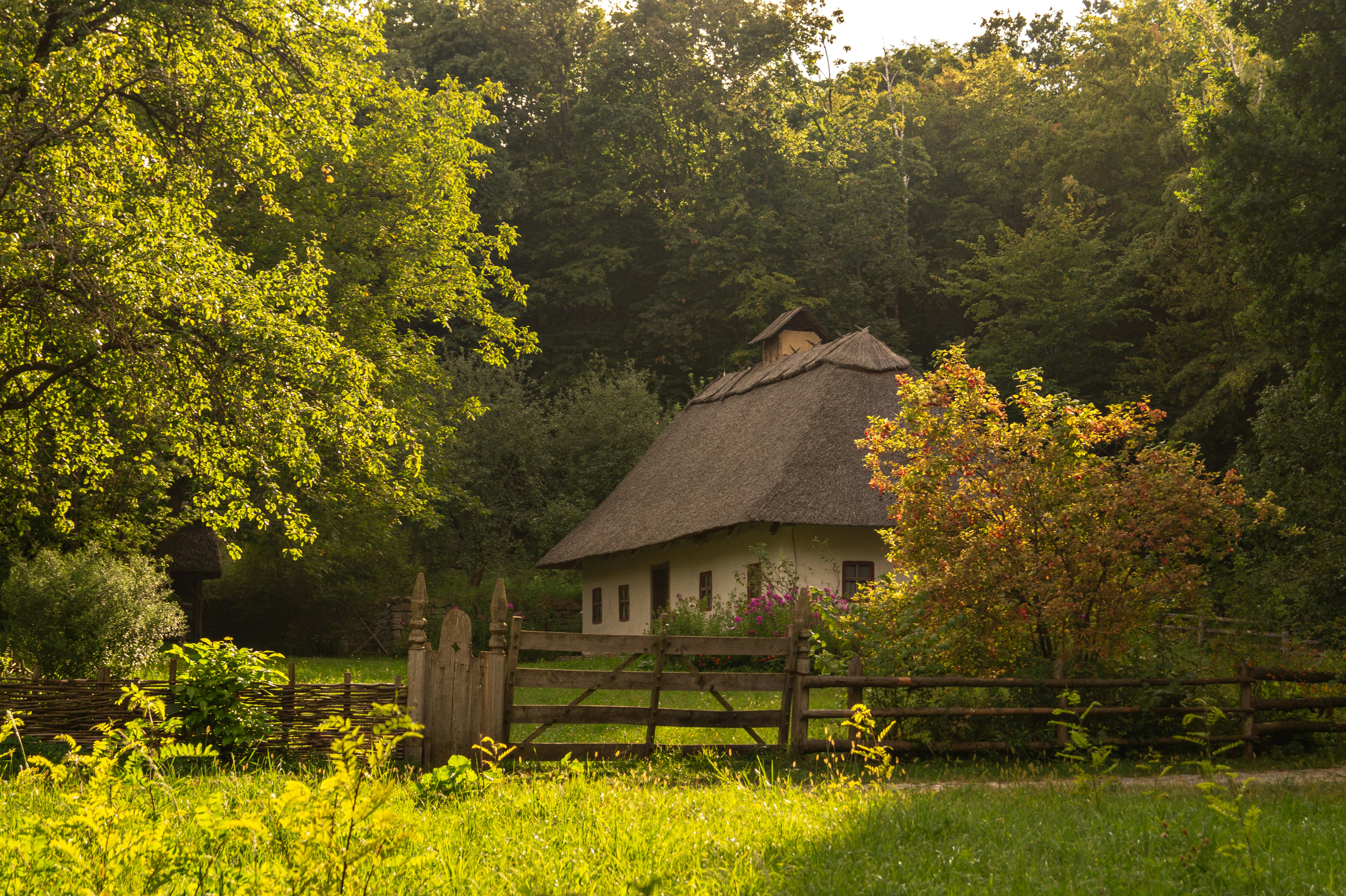
The Dream Passes By the Window, And Sleep by the fence
The Dream asks Sleep: Where shall we spend the night?
Where the cottage is warm, Where the baby is tiny,
There we will go, And rock the child to sleep
There we will sleep, And rock the child
Sleep, sleep, my dear. Sleep, sleep, my little dove.
https://lyricstranslate.com/en/oy-khodyt%CA%B9-son-kolo-vikon-dream-passes.html
Photo by Nadin Nandin on Unsplash
12. Evergreen © Sophie Chang (4:05) with Sophie Chang – cello
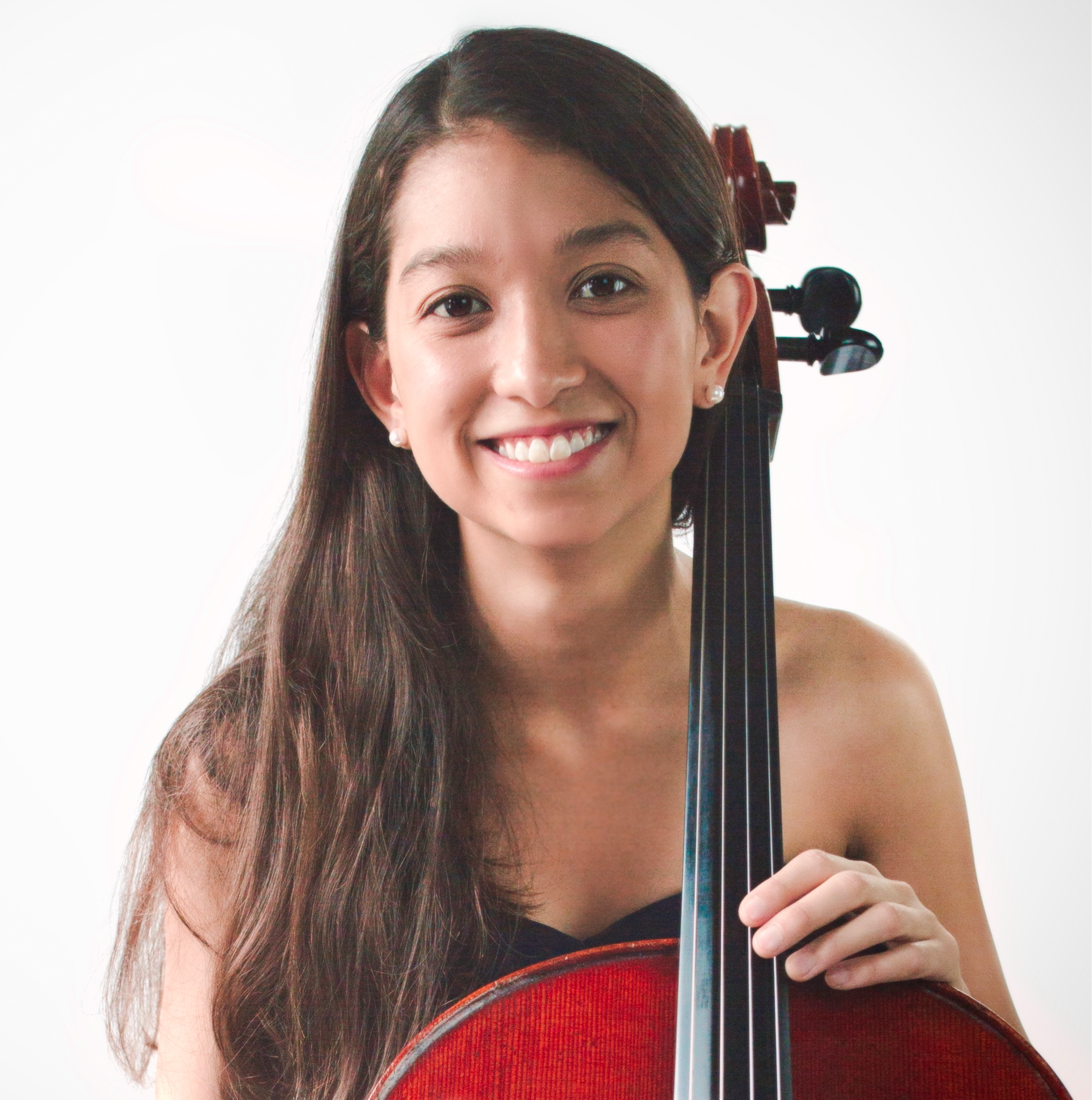
Sophie and I have played together at church since she was quite young. She composed this canon inspired by Taizé chants. Sophie eventually earned both Bachelor’s and Master’s Degrees in Cello Performance and then has expanded to all kinds of traditional dance music. She currently teaches cello, performs, and works as a Certified Therapeutic Musician in Providence, Rhode Island. https://www.sochangcello.com/
13. First Nation Dreamcatcher Suite (5:03) with Sophie Chang – cello
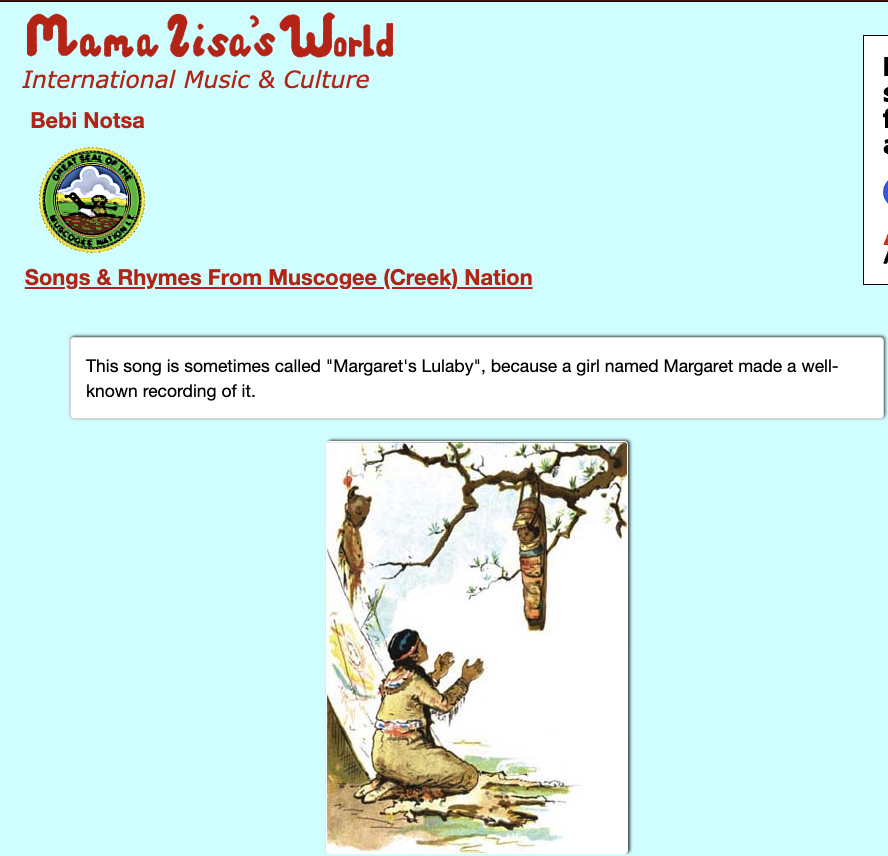
One year Sophie and I were providing the music for the Thanksgiving Day Service at our church and it was requested that we play some music from indigenous communities. We put together these four lullabies from the nations of the Muscogee (Bebi Notsa), Mi’kmaq (Ba Ba Baby), Iroquois (Ho Ho Watanay) and Arapaho (Ani Couni Chauani).
Bebi Notsa - Muscogee (Creek) came from Mama Lisa’s World- an excellent resource for international children’s songs and lullabies.
Baby, sleep, sleep, sleep,
Father has gone to find turtle shells.
He said he'll come back tomorrow.
The other three songs came from Folk Lullabies of the World, compiled and edited by Barbara and Michael Cass-Beggs.
Ba Ba Baby (Mi’kmaq-eastern Canada)
Ho Ho Watanay (Iroquois) Lyric translation. www.youtube.com/results?search_query=ho+ho+watanay+song
Ho Ho Watanay was collected in 1955 by Alan Mill on the Kahnawake (Caughnawaugha) Reserve near Montreal, Canada.
Ani Couni Chauani (Arapaho–Colorado and Wyoming) translation:
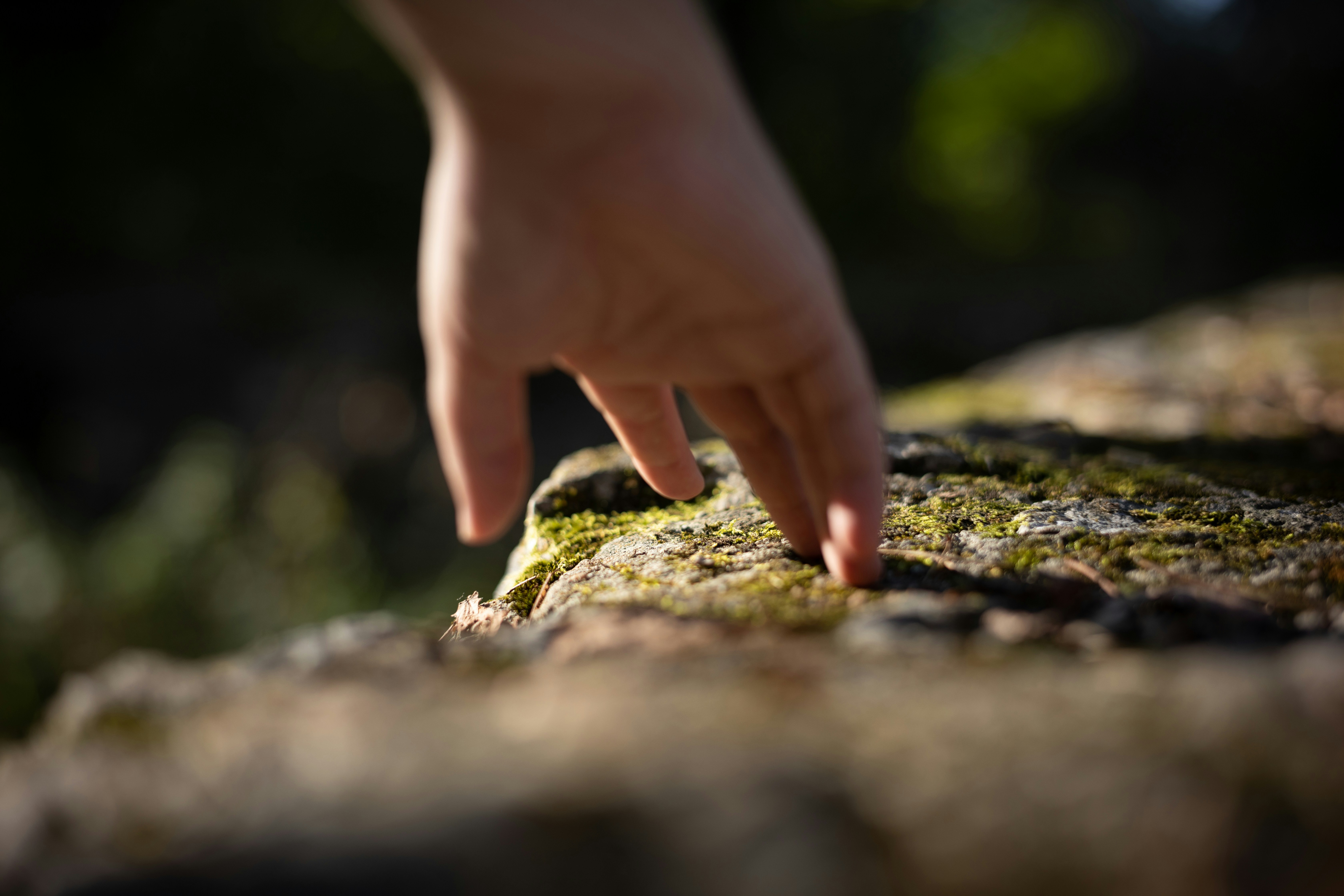
When evening fell upon this native land,
Into the trees went the medicine man.
Touching the ground with his hands.
Ani Couni, performed by IO at KornuKopia 2013
Photo by Rapha Wilde on Unsplash
14. Benediction: Amazing Grace (2:11)
This beloved hymn and frequent request in the hospital was penned by John Newton in 1772. In 1835 American composer William Walker set the lyrics to the traditional melody New Britain in the Shape Note songbook, Southern Harmony.
Grace is the word I most commonly associate with the power of music for joy and healing and this melody seems an appropriate song for ending the recording.
REFLECTIONS:
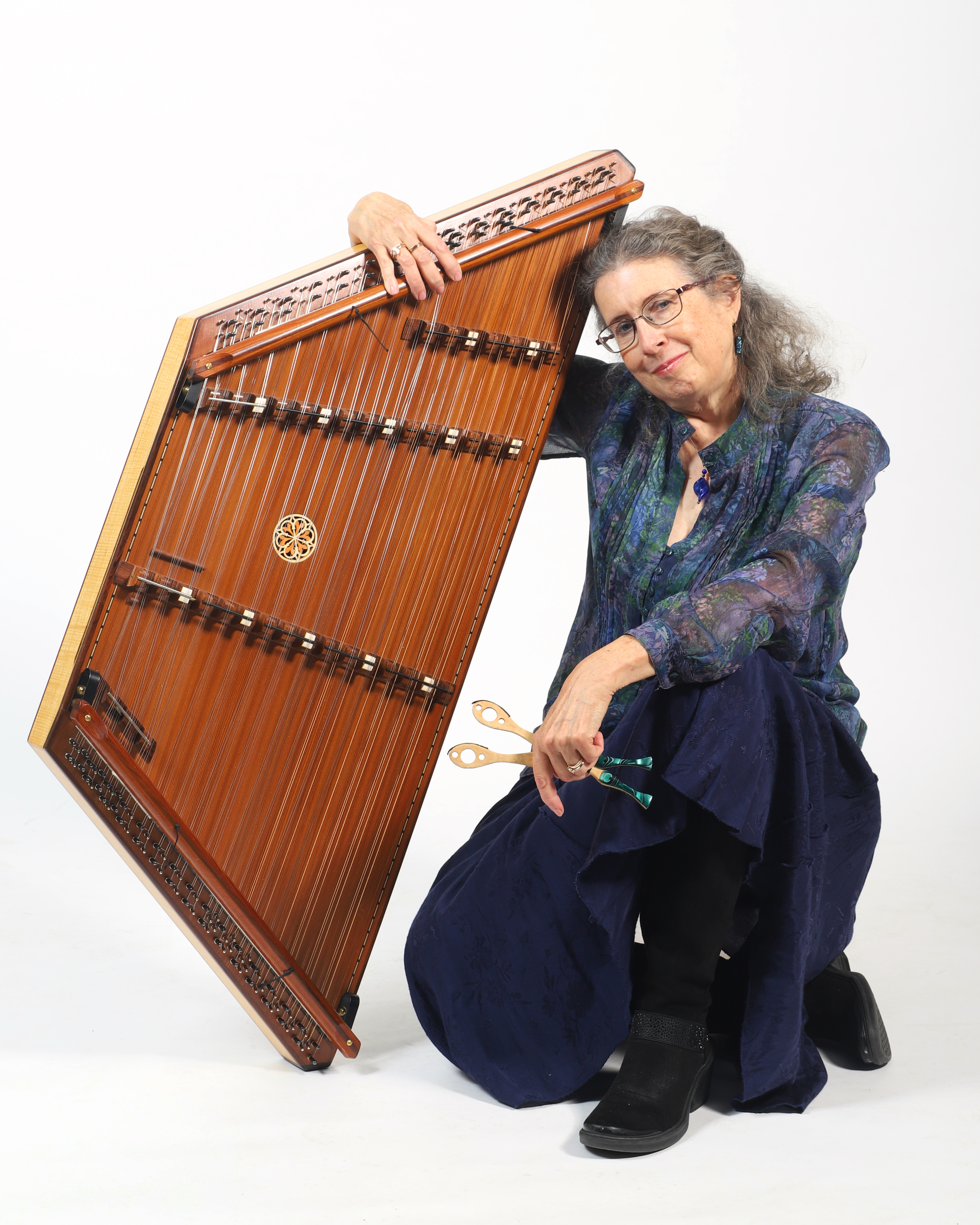
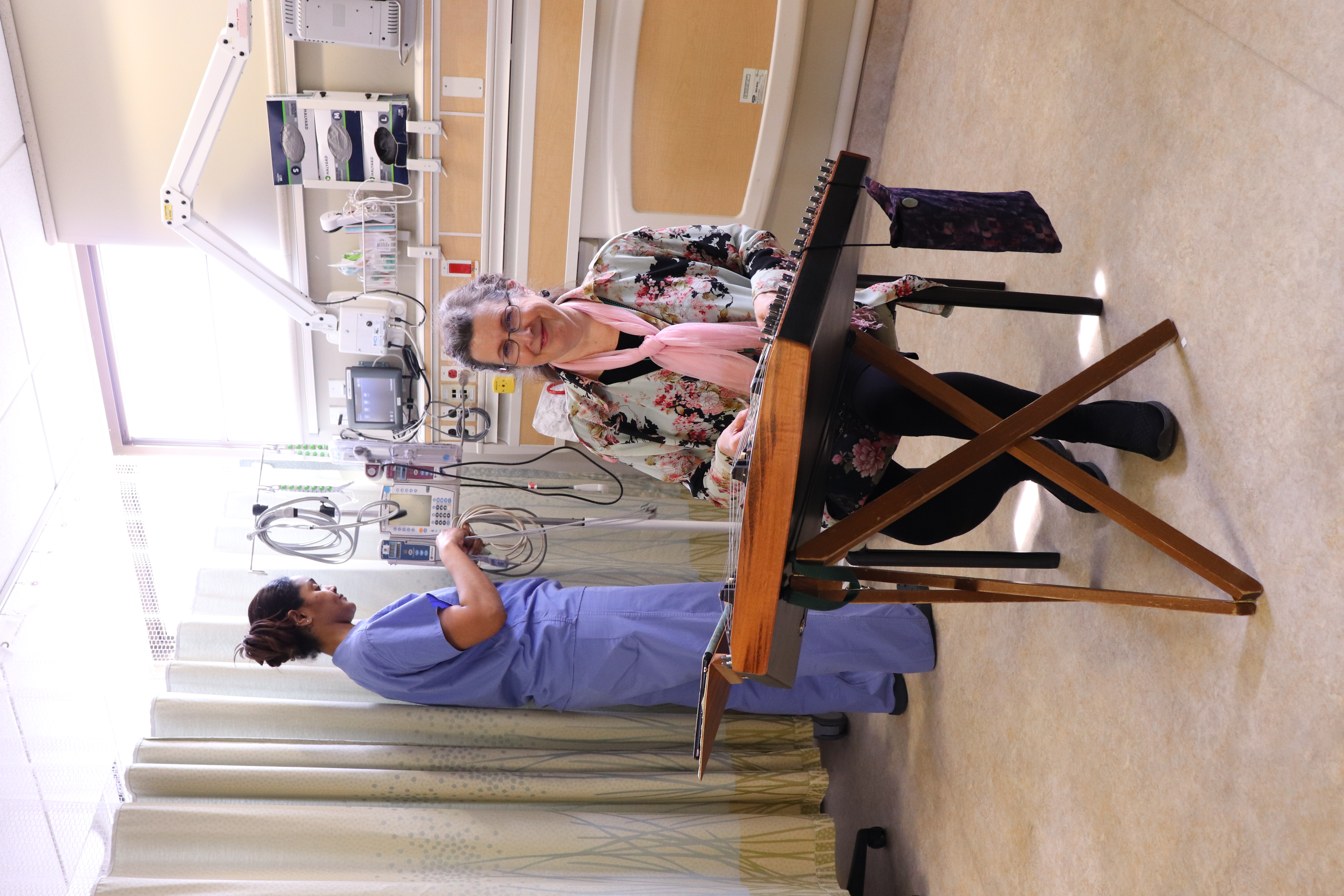
This recording is a celebration of 50 years of playing the hammered dulcimer and especially for folks in the hospitals where Karen works. Karen Ashbrook is a Certified Music Practitioner (CMP) through the Music for Healing & Transition Program™ (mhtp.org.) The patients and staff at the hospitals come from all over the world and Karen enjoys learning music from all their different countries to share with them. Music is truly a Universal Language and evidence of Grace in our lives!
May 31, 2026, Karen Ashbrook, CMP (Certified Music Practitioner)
All arrangements ©Ⓟ2026 Karen Ashbrook
All tunes are traditional or Public Domain except Tracks 1, 3, 6, 9, 12
Engineered & Mastered by Charlie Pilzer at Tonal Park, Takoma Park, MD
Graphic Design & Production by Orion Weiss
Photographs of Karen and Paul: ©2025 Michael G. Stewart;
Photo of Karen at Georgetown Lombardi Cancer Center by Elene Kindy
Photograph of Sophie: Emory Hensley
INSTRUMENTS
Hammered Dulcimer – Nicholas Blanton Forte https://www.blantoninstruments.com/
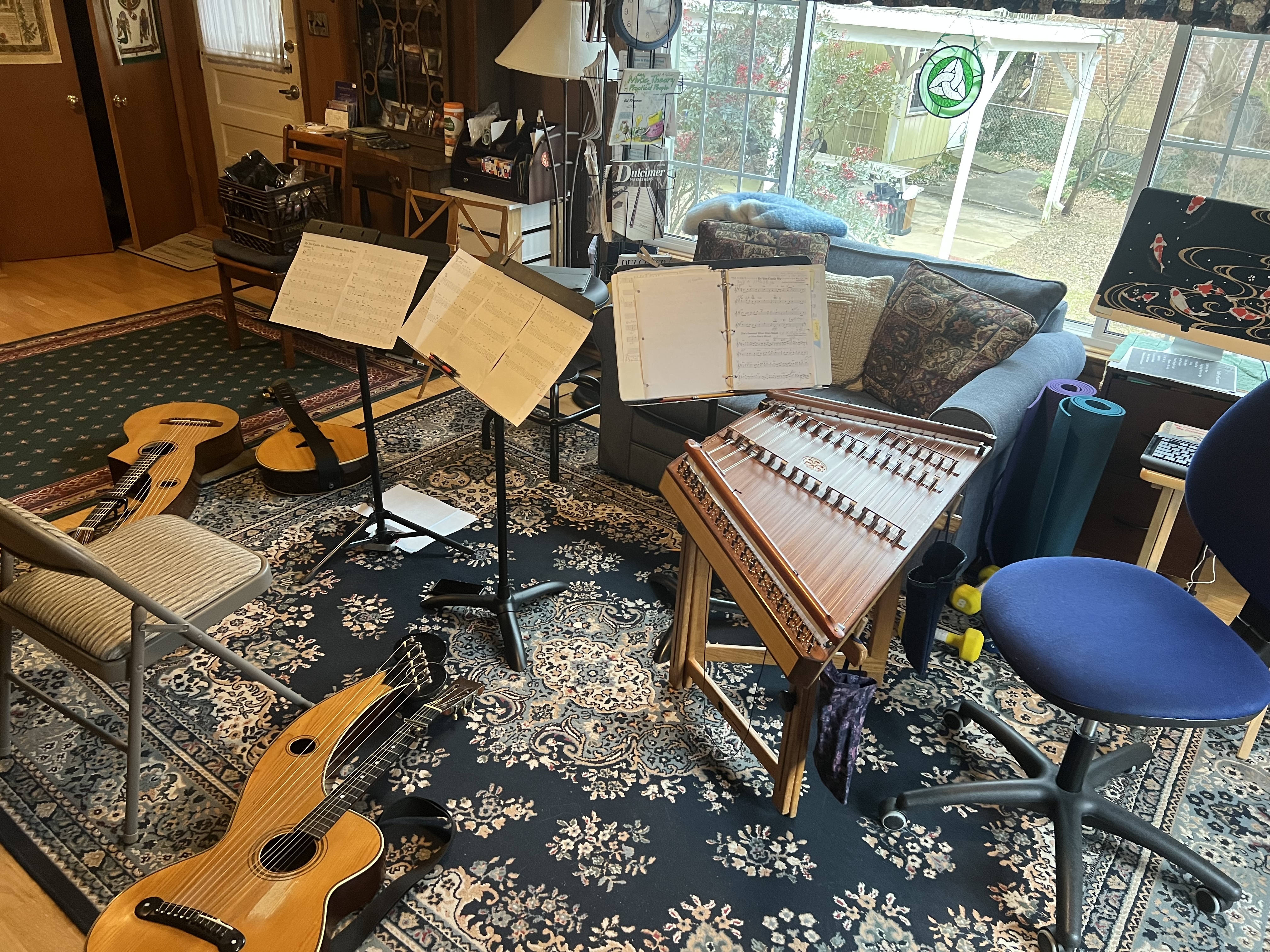
Low G Whistle – Michael Burke https://www.burkewhistles.com/
Irish Flute – Patrick Olwell https://www.olwellflutes.com/
Harp Guitar – Stephen Sedgwick http://www.stephensedgwick.co.uk/
10-string Cittern – Stefan Sobell https://www.sobellguitars.com/instruments/
10-string Classical Guitar – Lucio Núñez https://lucionunezguitars.com/
Cello – Kim of William Harris Lee & Company, Chicago, IL https://whlee.com/
The Cast of Characters–It takes a village!
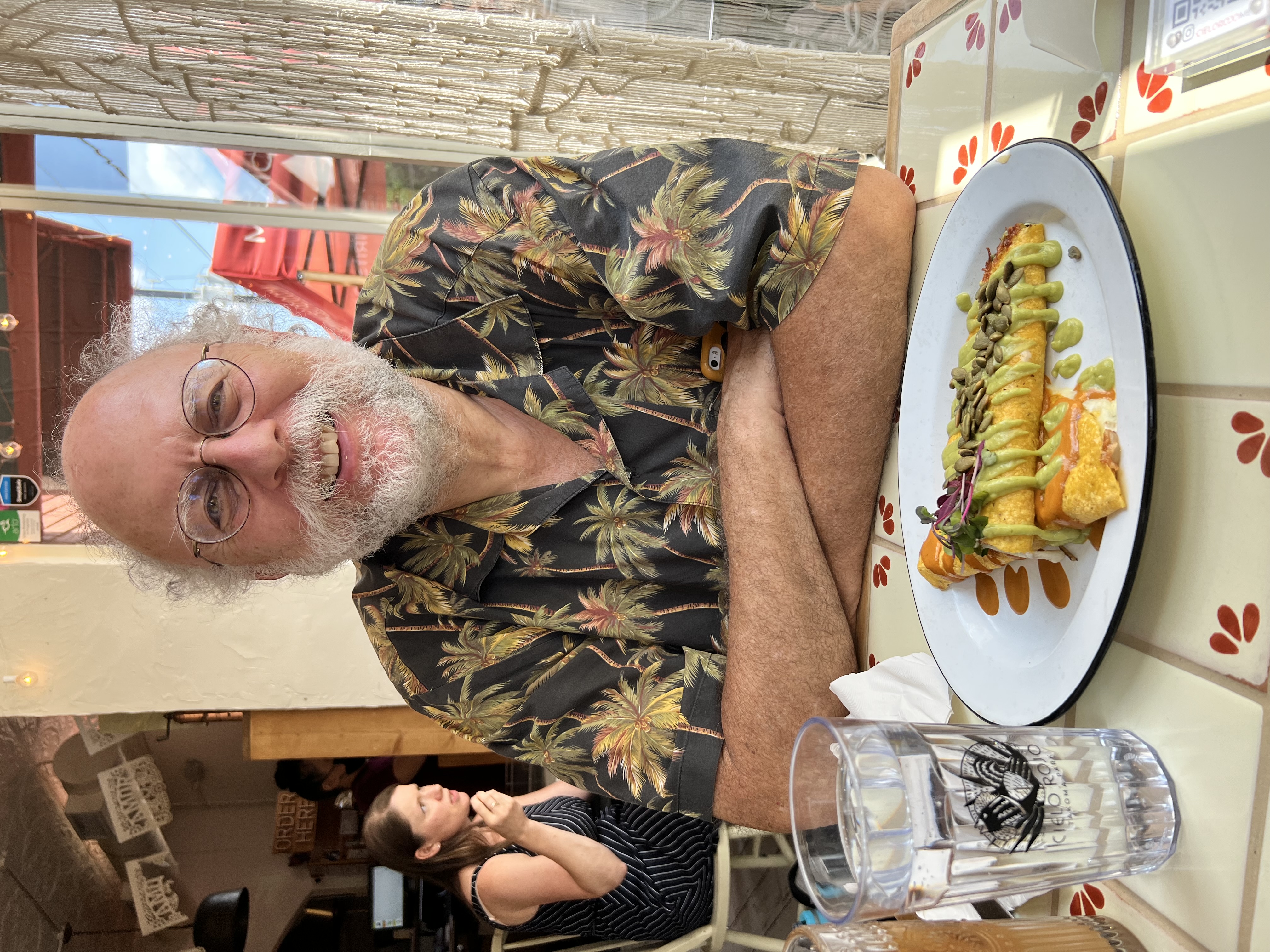
Charlie Pilzer at Tonal Park in Takoma Park, MD engineered, mastered and helped produce this recording. Charlie and I go way back to when I first moved to Maryland in the mid 1980s. We played in contra dance bands together. Charlie ventured into producing, then mastering, then running his own recording studio. He has been majorly involved in 7 of my 11 recordings to date. He is a Grammy-award winning engineer, with many recordings to his credit.
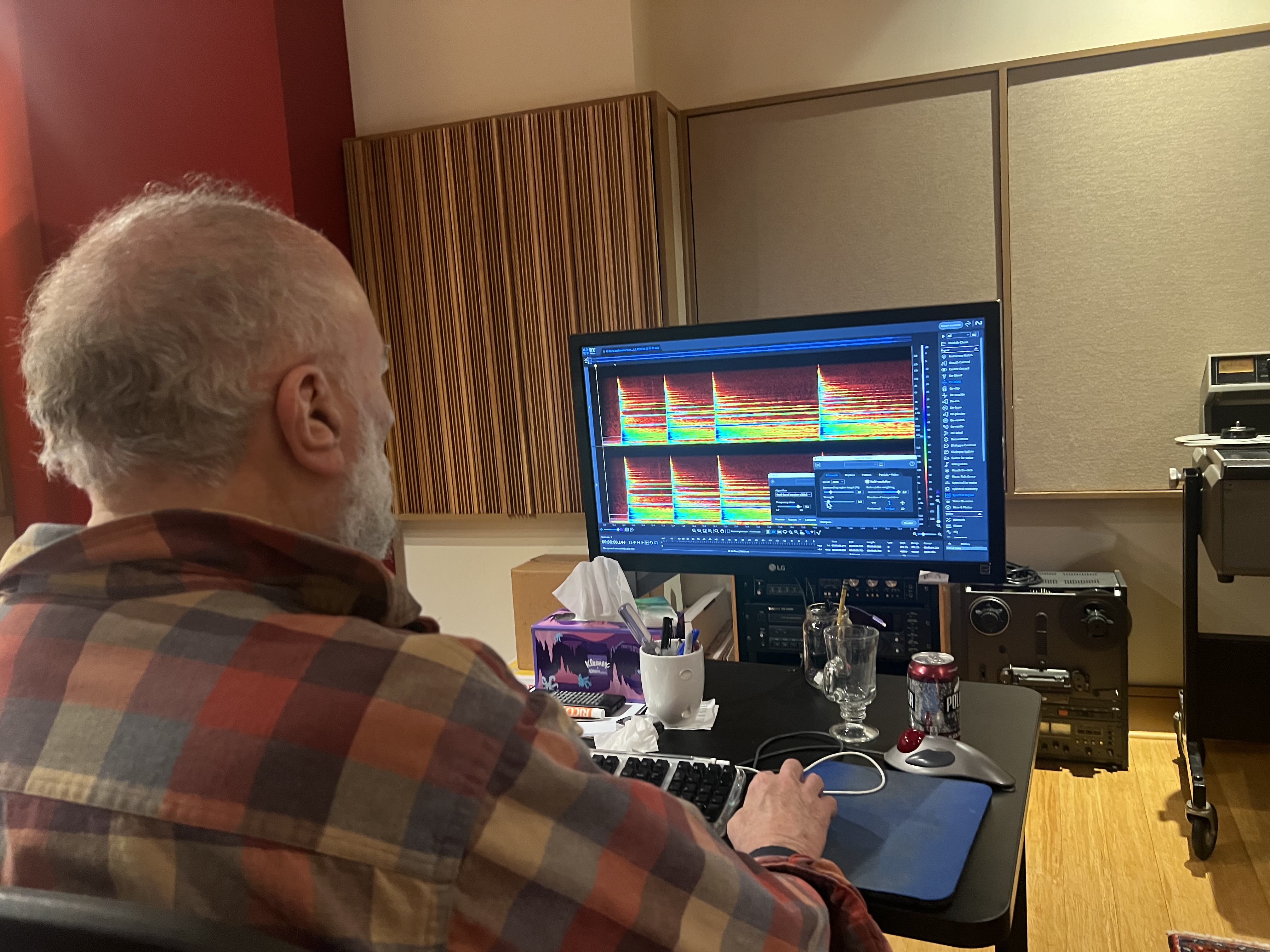
Special thanks to Charlie Pilzer, Orion Weiss, Paul Oorts, Sophie Chang, Elizabeth Benforado, Dave Wiesler, Arthur Spencer, Munit Mesfin, Jennifer Kinsley, Sharon Moore, Andrea Hoag, Nick Blanton, Holly Gwin, Susan Harvey, The Institute of Musical Traditions, Jim North, Wolfhill Woodworking, and all the generous donors to the Hands of the Healer Crowdfunder. Also Karen’s band members over the years from whom she learned so much. This couldn't have happened without them!
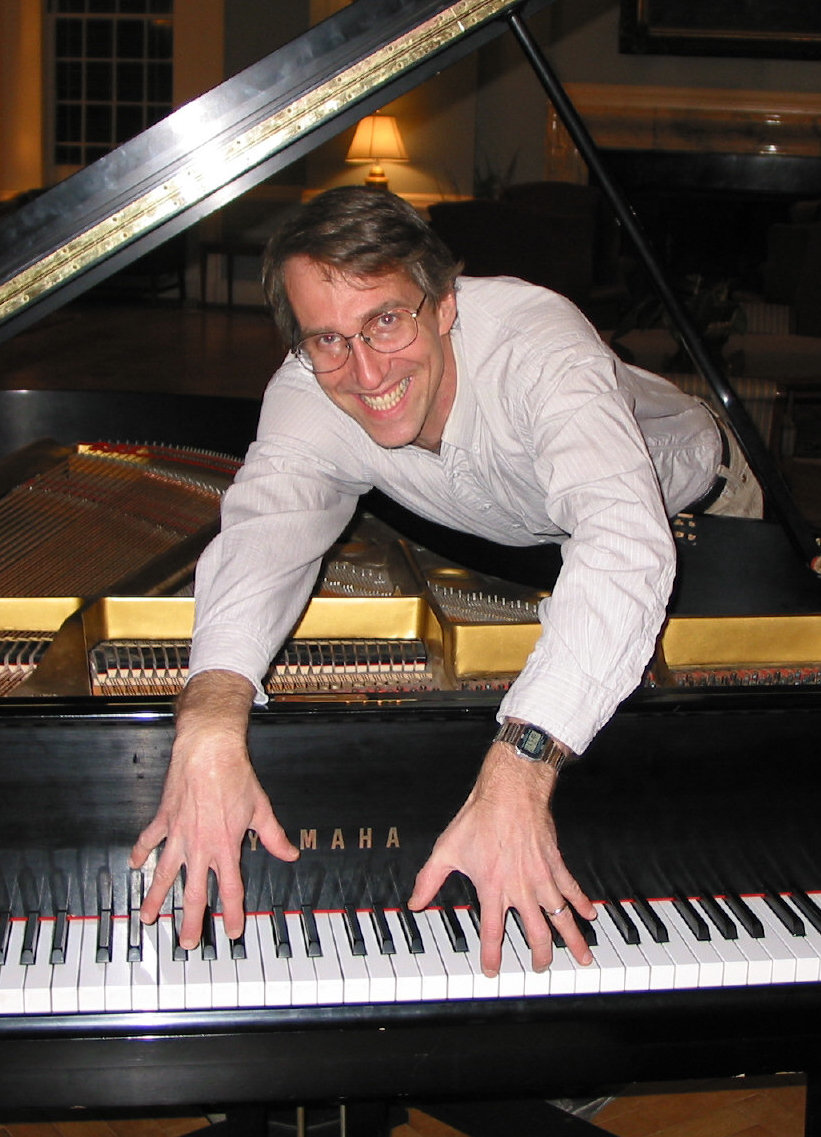
An extra shout out to Dave Wiesler. This recording was a chance to feature several of Dave's compositions. Although Dave composes many dance tunes, his memorial pieces and waltzes have been wonderful repertoire for my therapeutic music work. They have also vastly expanded my use and understanding of more intricate harmonies on the dulcimer.
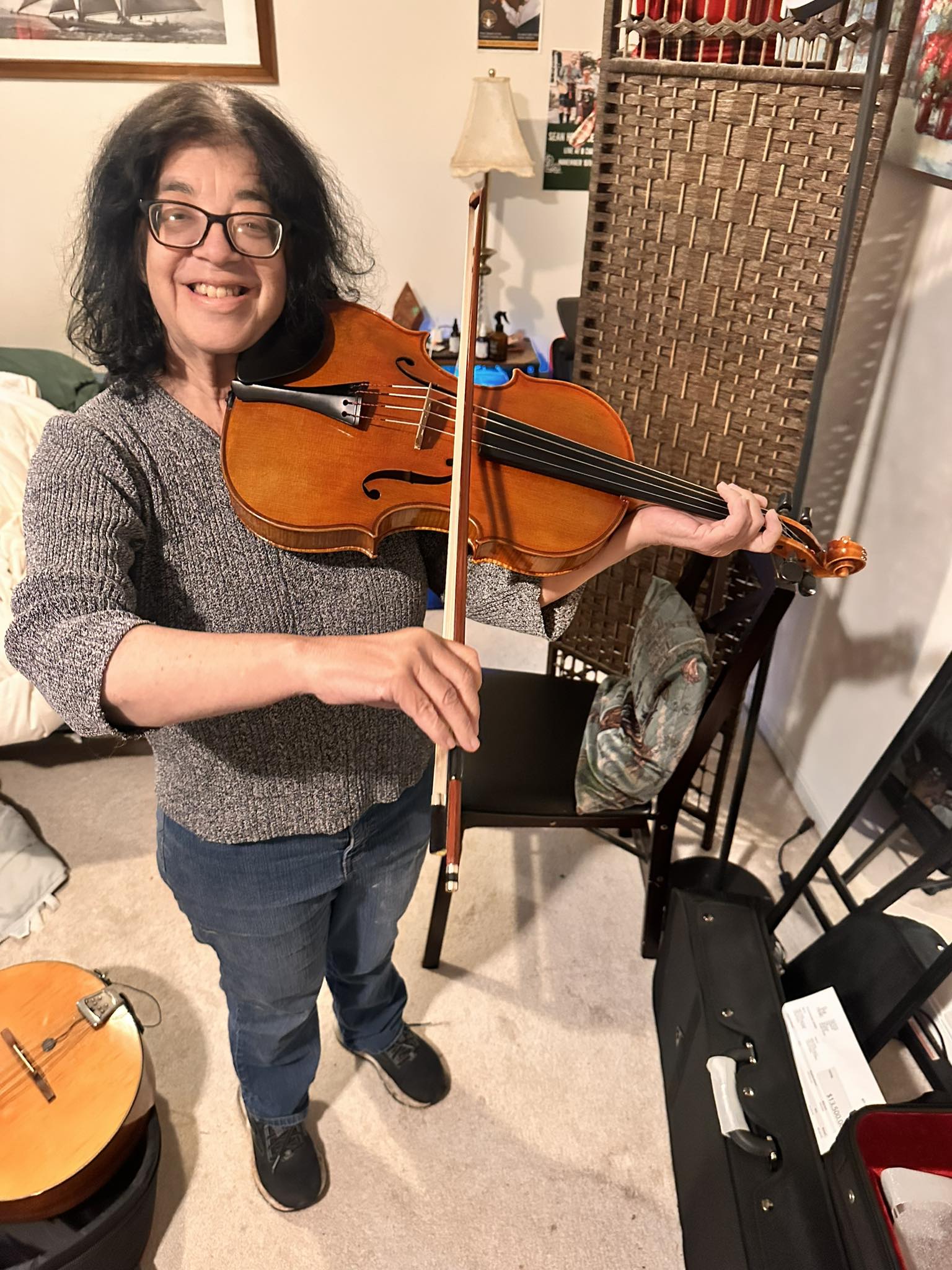
My graphic artist Marian Orion Weiss, a fiddler and graphic artist, is a gift to our Irish musicians' community. She has designed the art for my last 5 recordings. I wouldn't have thought it possible, but they just keep getting better. Thank you, Orion, for your gifts of friendship, music, and professional artistry!
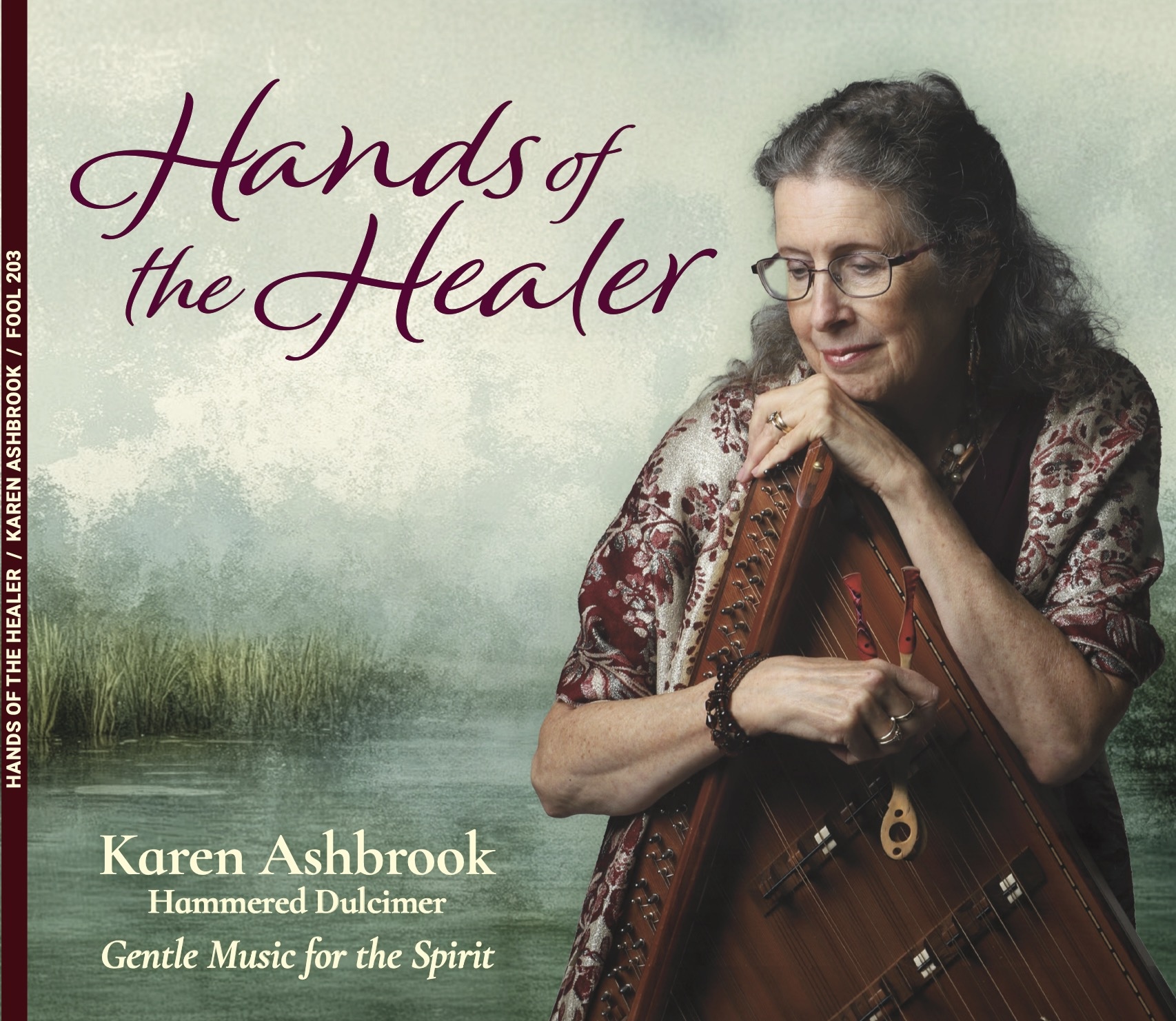
The photographer, Michael G. Stewart, has taken fabulous publicity photos-so excellent that this recording is the second time one ended up having to be on the cover of the CD.
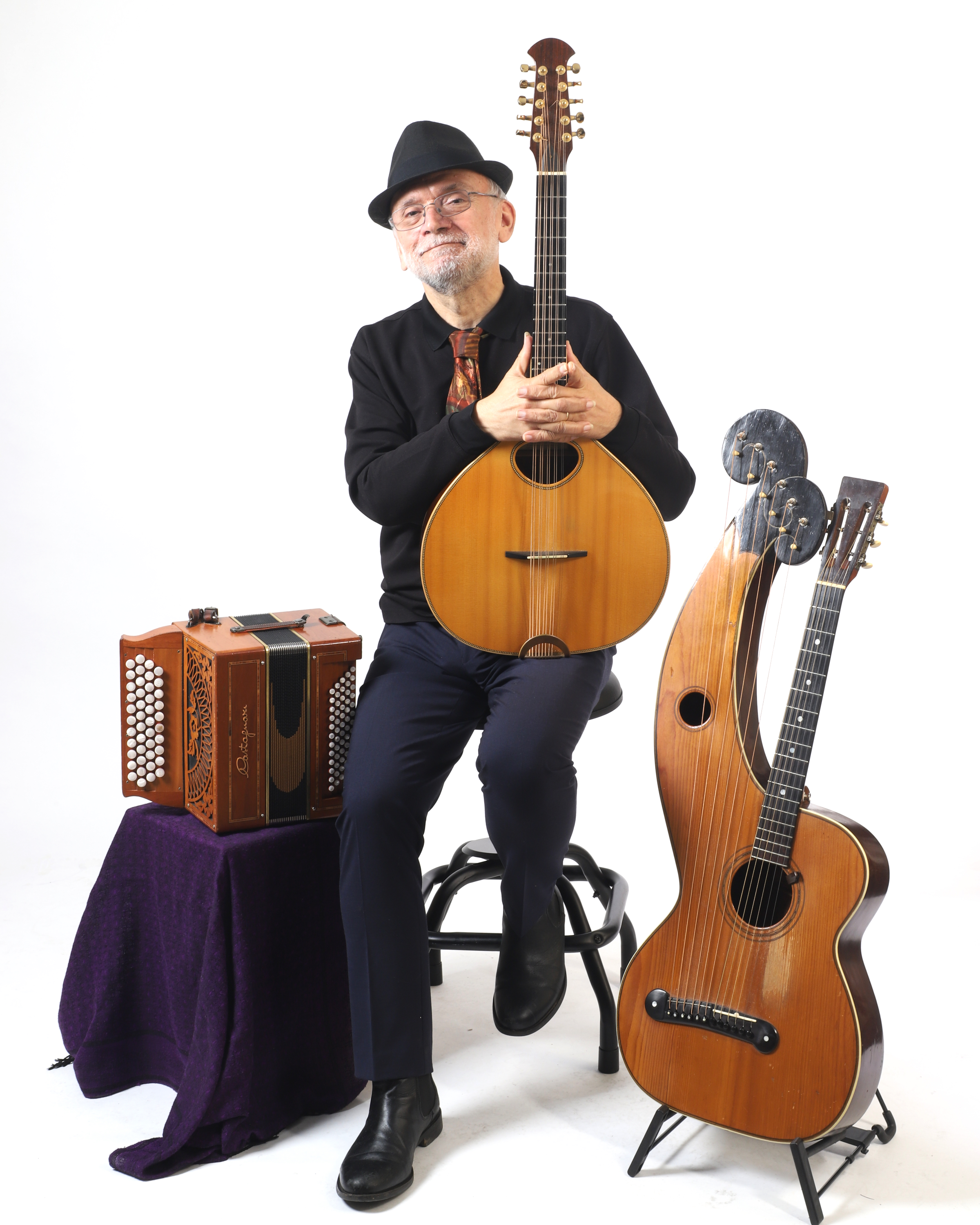
And last but never least, my husband, Paul Oorts, who has an endless selection of instruments and tunings that he is always willing to contribute. (Somehow this recording escaped his accordion playing). Marrying him was not only a successful life choice, but the smartest career move I ever made!